About me
How I got here
When I was choosing a career, I wanted to be an industrial designer and create the objects people pick up and use every day. I started the degree but couldn’t stay. It took me a few years to get back to school, this time to study design at UAM, in Mexico City. By my last year, I was working more than I was studying, and I had to choose. I chose work.
Around then, in 2014, a friend asked me to help design an app he had hired a software studio to build. The project stalled when my friend stepped away, but the studio kept me on, and I spent the next few years freelancing for them, designing apps for their clients. Somewhere in those first projects I realized I hadn’t left industrial design behind at all. Understanding who you’re designing for, prototyping, testing, starting over: it was the same craft, applied to something on a screen instead of something in your hands.
I learned UI on those initial projects, on freelance work of any kind, and from whatever I could find online.
Where I learned the craft
My first in-house job was at Círculo de Crédito, one of Mexico’s credit bureaus, and then at Eliiot, a startup that spun out of the company. That’s where I learned the fundamentals of UX, working side by side with the developers who built what I designed. Later, our head of UX helped give my work the structure it was missing.
Umba taught me how a startup moves. The product team was in San Francisco, the users were in Nigeria and Kenya, and I worked with engineering, data science, and customer service from Mexico City. Spotty internet in Nigeria and the language gap on calls made it hard to talk to users directly, so customer service became our window into what they needed.
Then I spent four years as a contract product designer for Porch Group, a US company, working on ISN, the web CRM home inspectors use to run their business. I took on the entire interface, modernized it, and built the design system behind it.
Designing and building
ISN is also where my way of working changed. I went from handing off static screens to handing off AI-built prototypes, and one of them became a real MVP at Porch, with most of its frontend shipped to production.
I’d watched the gap between design and code shrink for years, but I never thought it would close this fast. Bogey Boys is where I tried it on my own: my golf league in Mérida ran on scorecards copied by hand, so I designed and built the app that now runs it.
Now
AI has made building software fast and cheap. A screen that used to take a sprint now takes an afternoon. What hasn’t gotten cheaper is knowing which problem is worth solving and making the result easy to use. That’s where I spend my time. I still prototype and ship frontend code, because it gets ideas in front of users sooner, but the code is the means. The user experience is the work.
I’m based in Mexico, work remotely, and I’m looking for my next full-time role as a product designer at a startup where I can do that work.
Have a product problem worth owning? Let’s talk.
Work

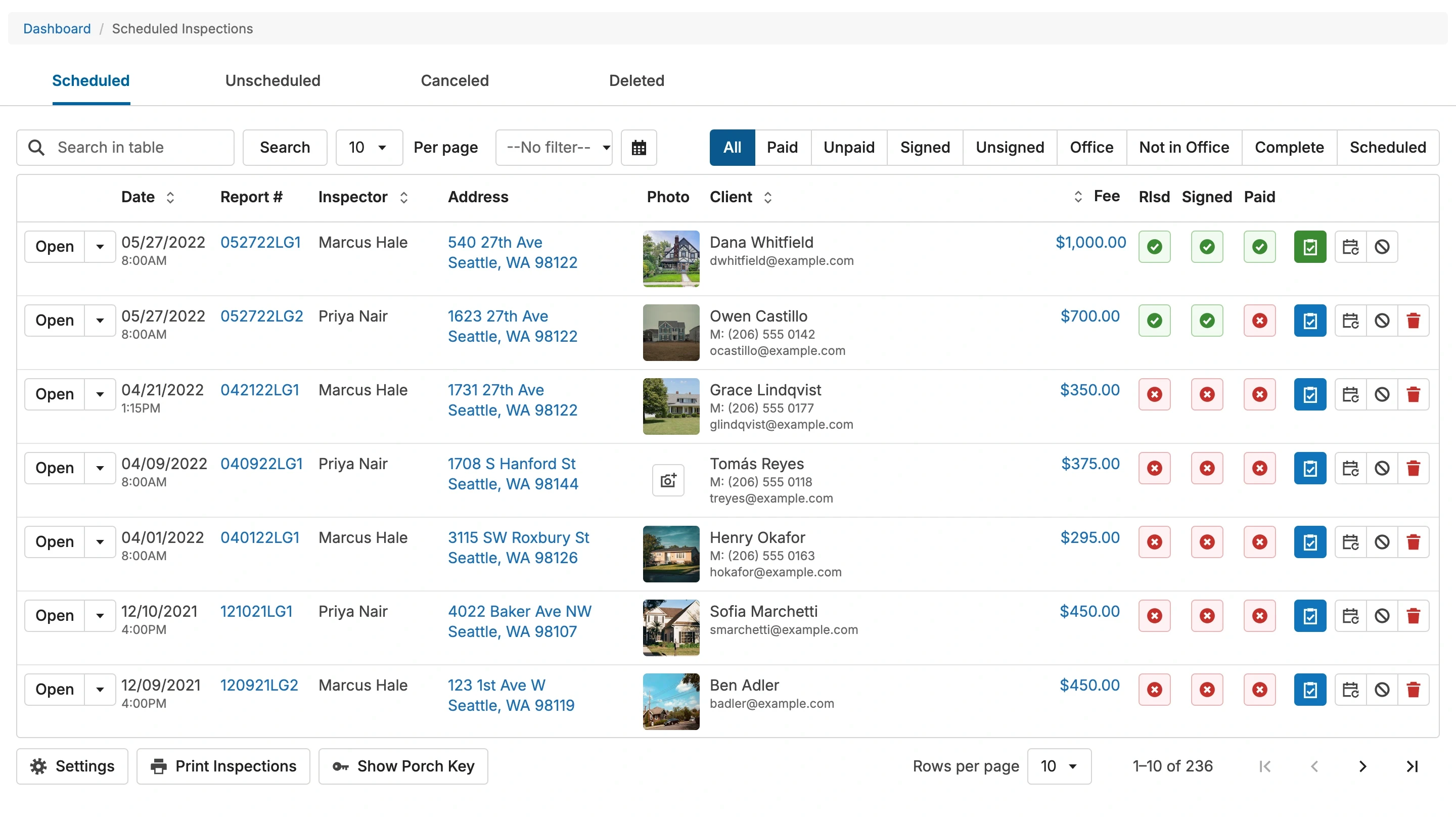
Most of a 20-year-old CRM was data tables, and every one of them was built differently. I turned 25 screens into one data table system.
- users
- 53,000
- pages
- 40+
- components
- 150→20

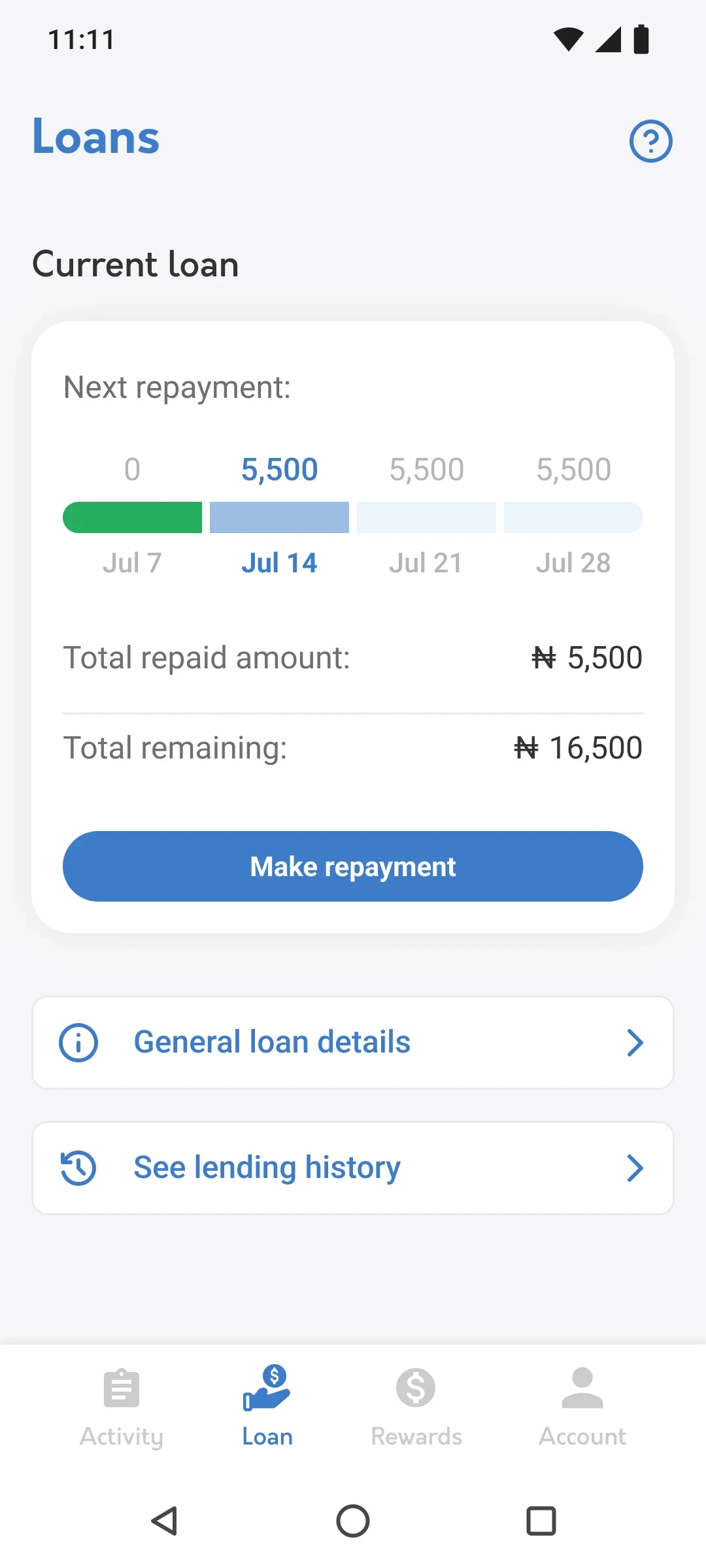
Umba's loans in Nigeria started as an MVP. Over a year of small releases, I designed the version people could apply for, repay and recover with.
- application drop-off
- −30%
- countries
- 2
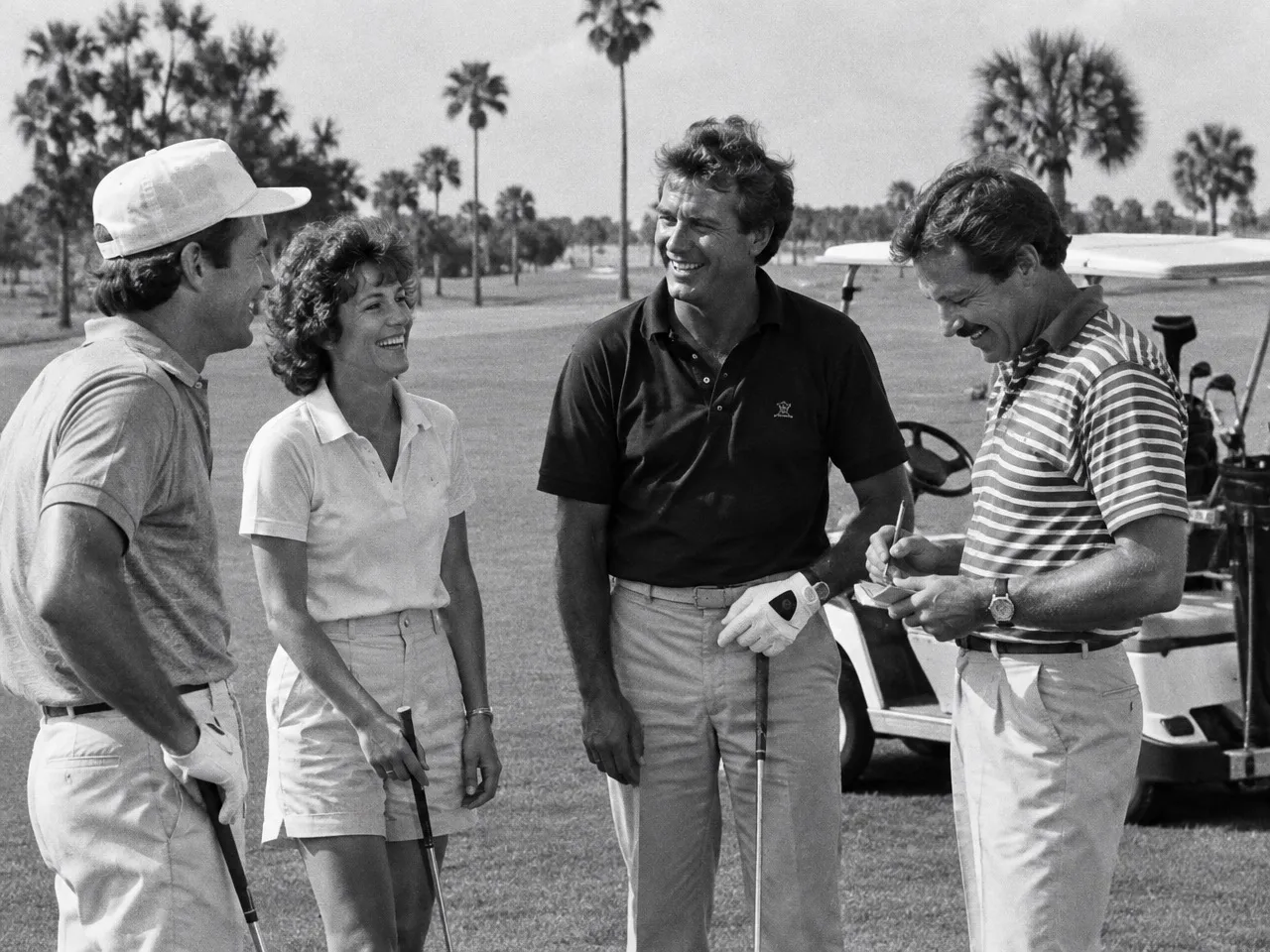
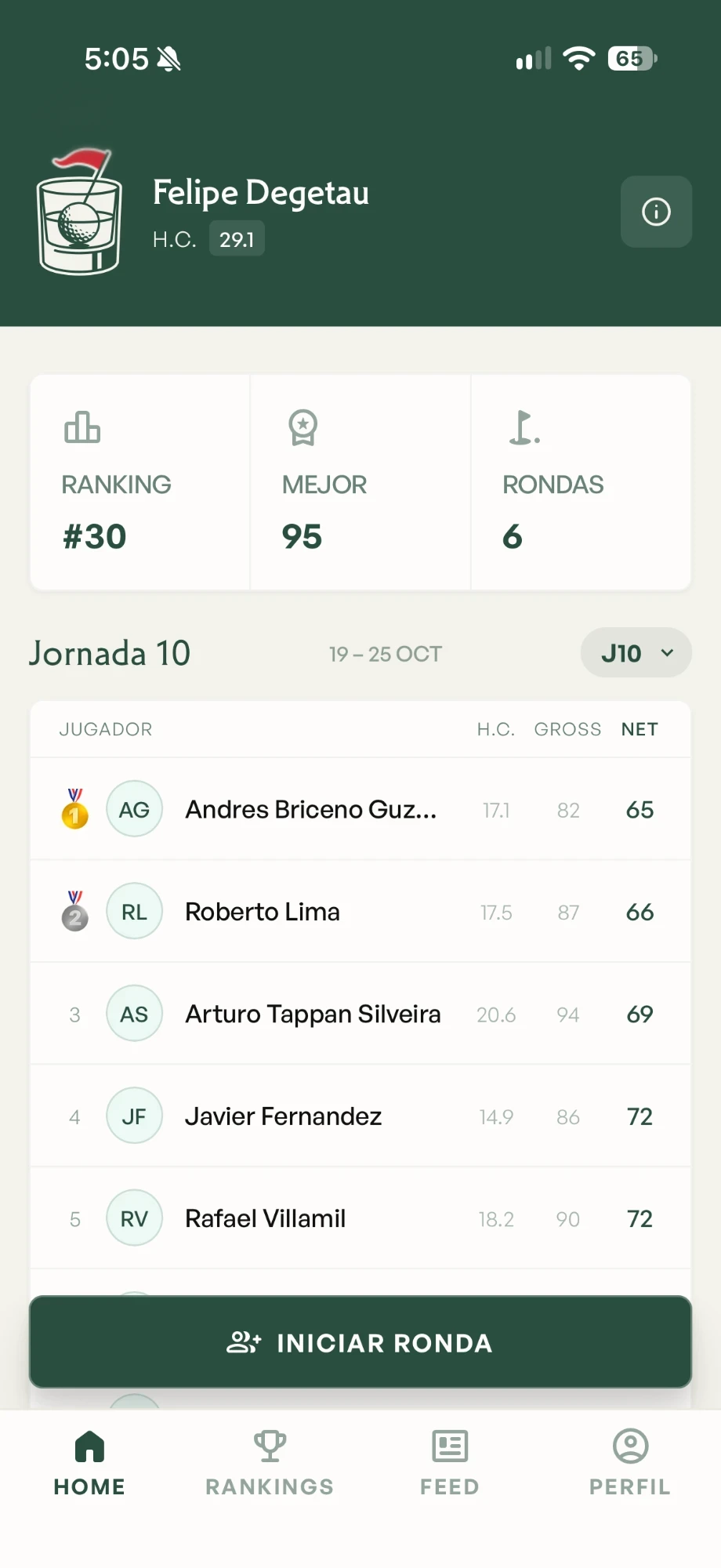
A 40-player golf league in Mérida ran on scorecard photos sent over WhatsApp and hours of Excel. I designed and built the app that captures scores on the course and runs the league on its own.
- players
- 40
- scorecards
- 288
- manual approvals
- 0